The International Neurointerventional Surgery program was established in 2015 to expand access to neurointerventional care beyond Iowa and the United States. It is supported by philanthropy, industry grants, and donations. Our goals:
- Expand neurointerventional care in Iowa and outside the US
- Educate local and international physicians in neurointerventional surgery
- Treat underserved populations
- Build international collaboration in stroke and hemorrhagic disease research
Global outreach
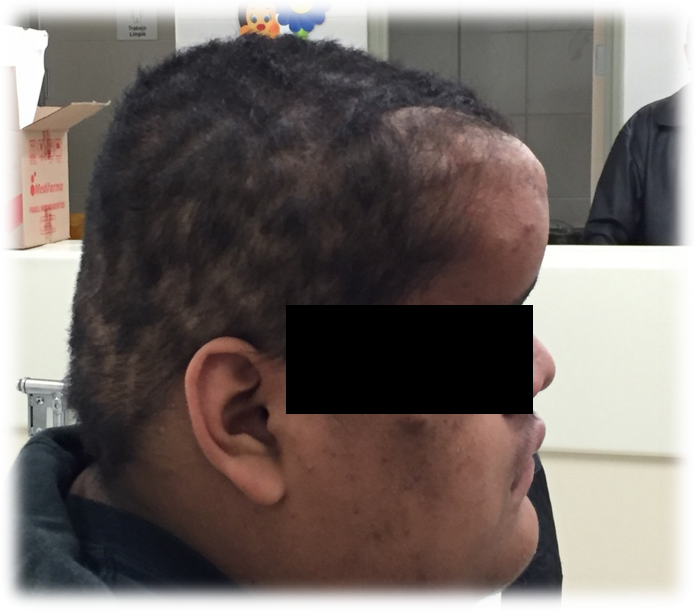
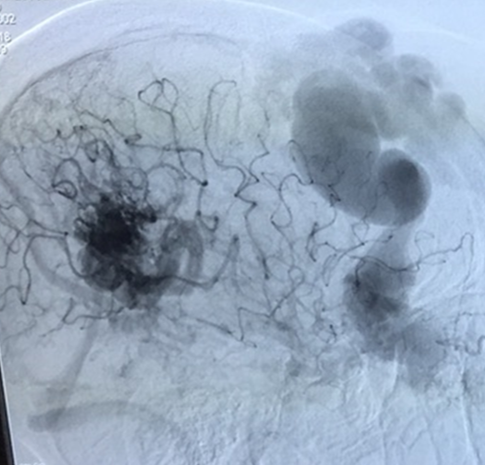
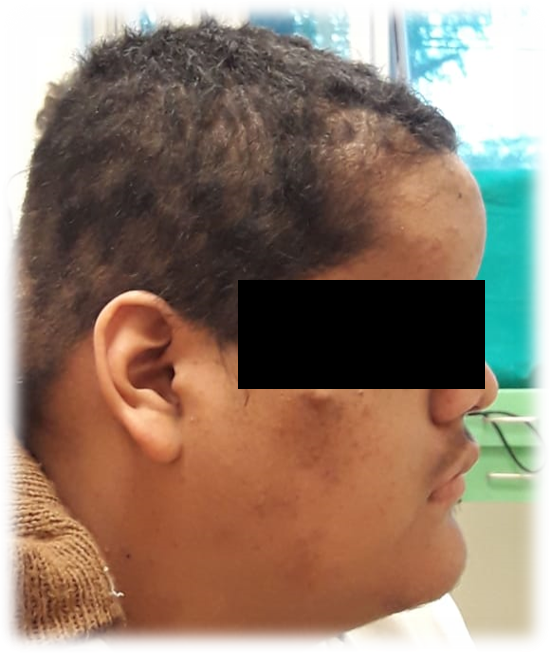
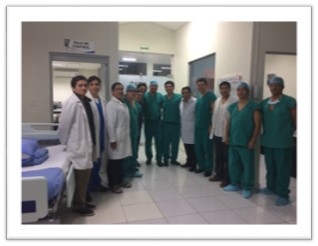
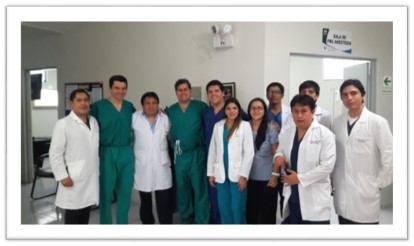
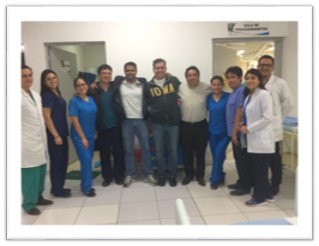
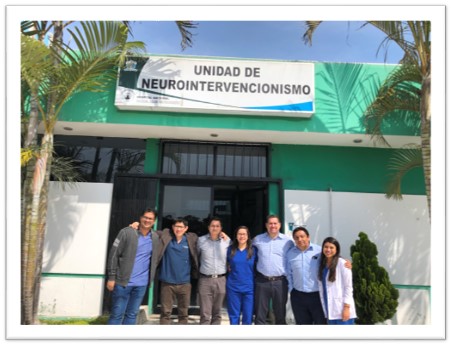
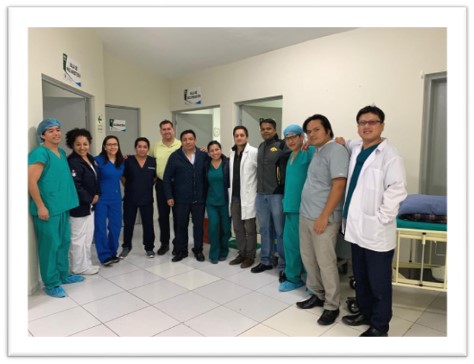
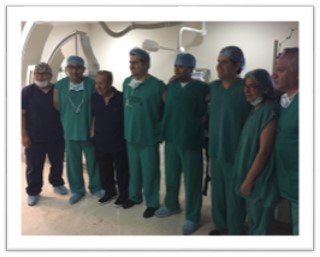
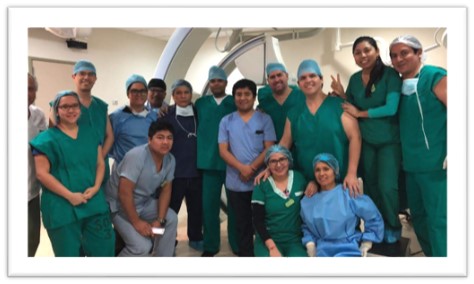
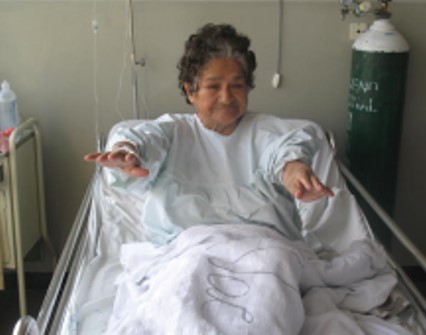
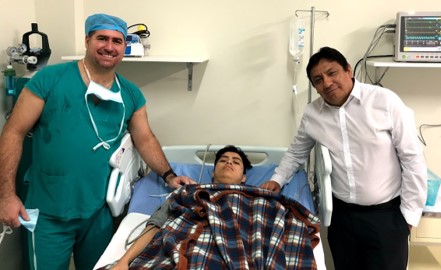
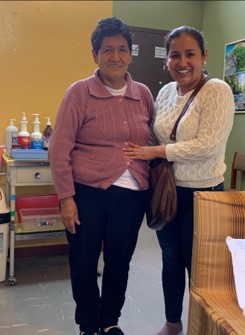
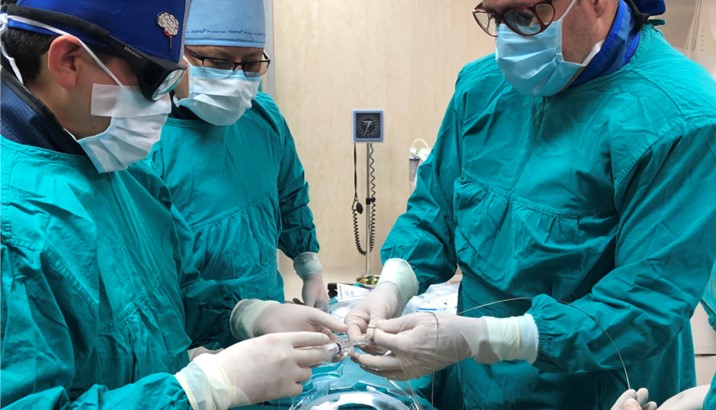
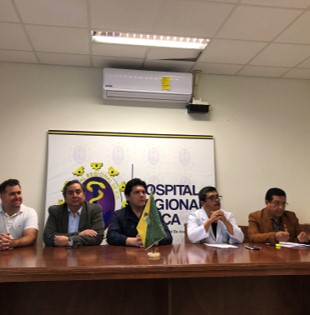
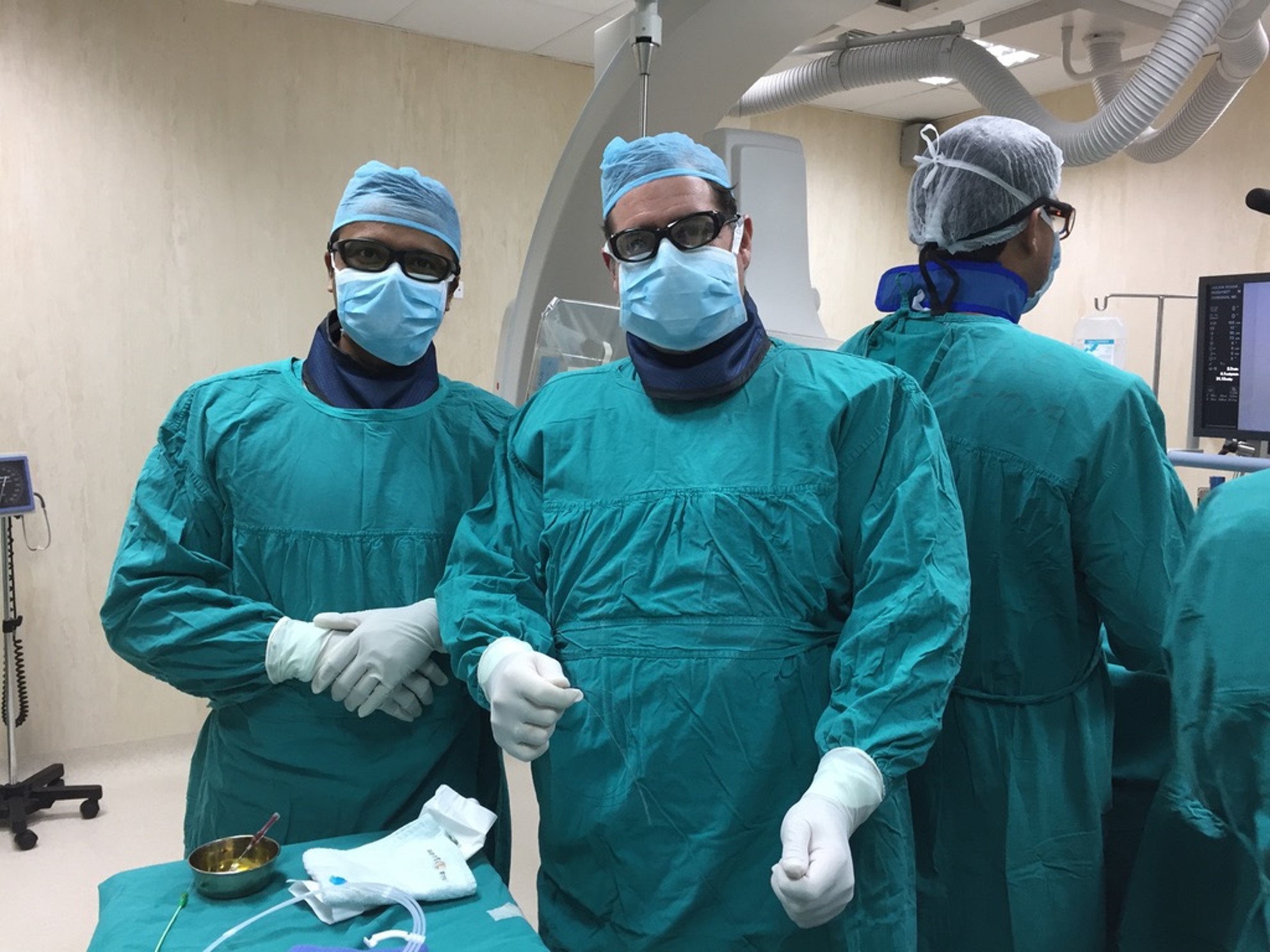
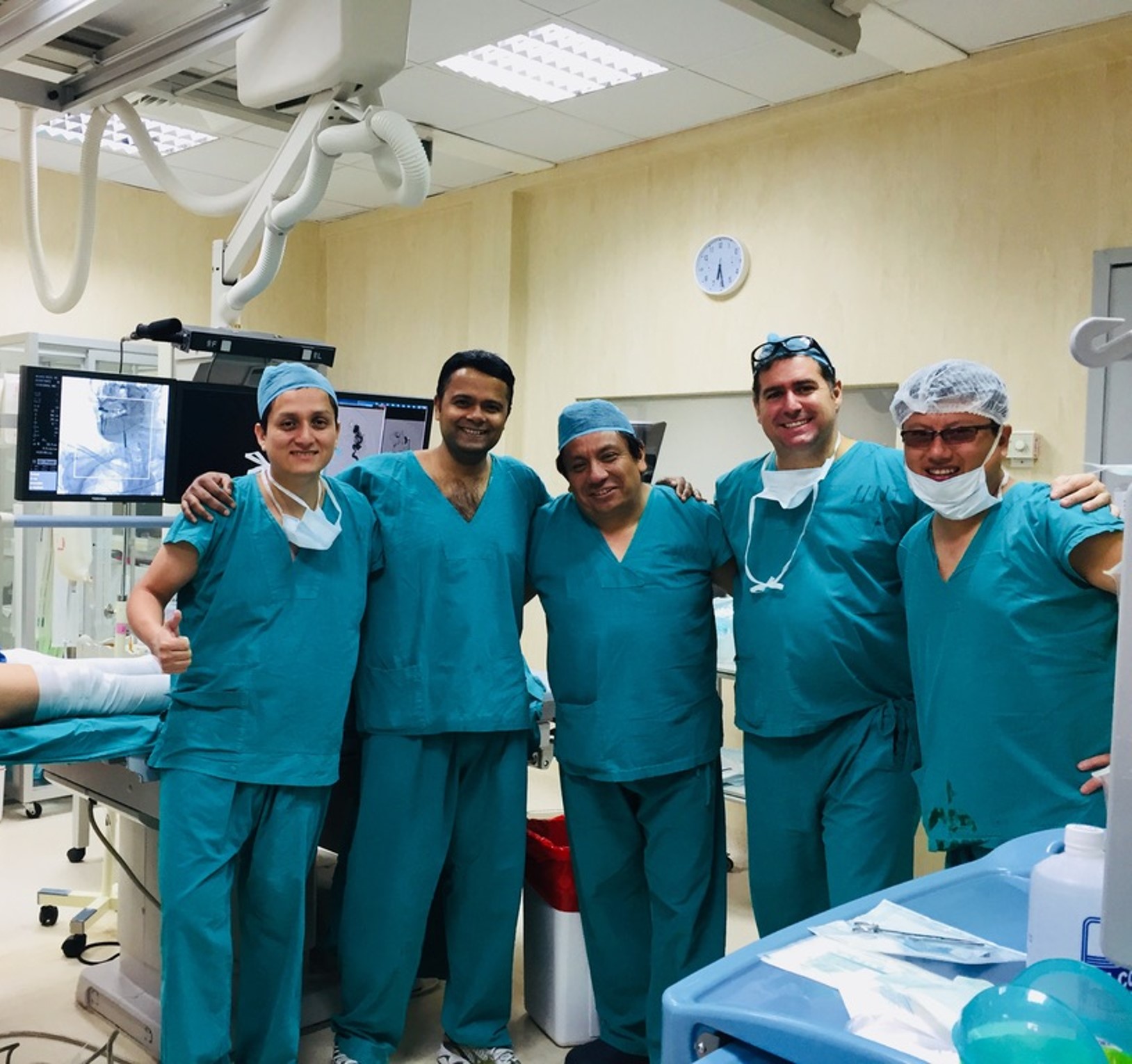
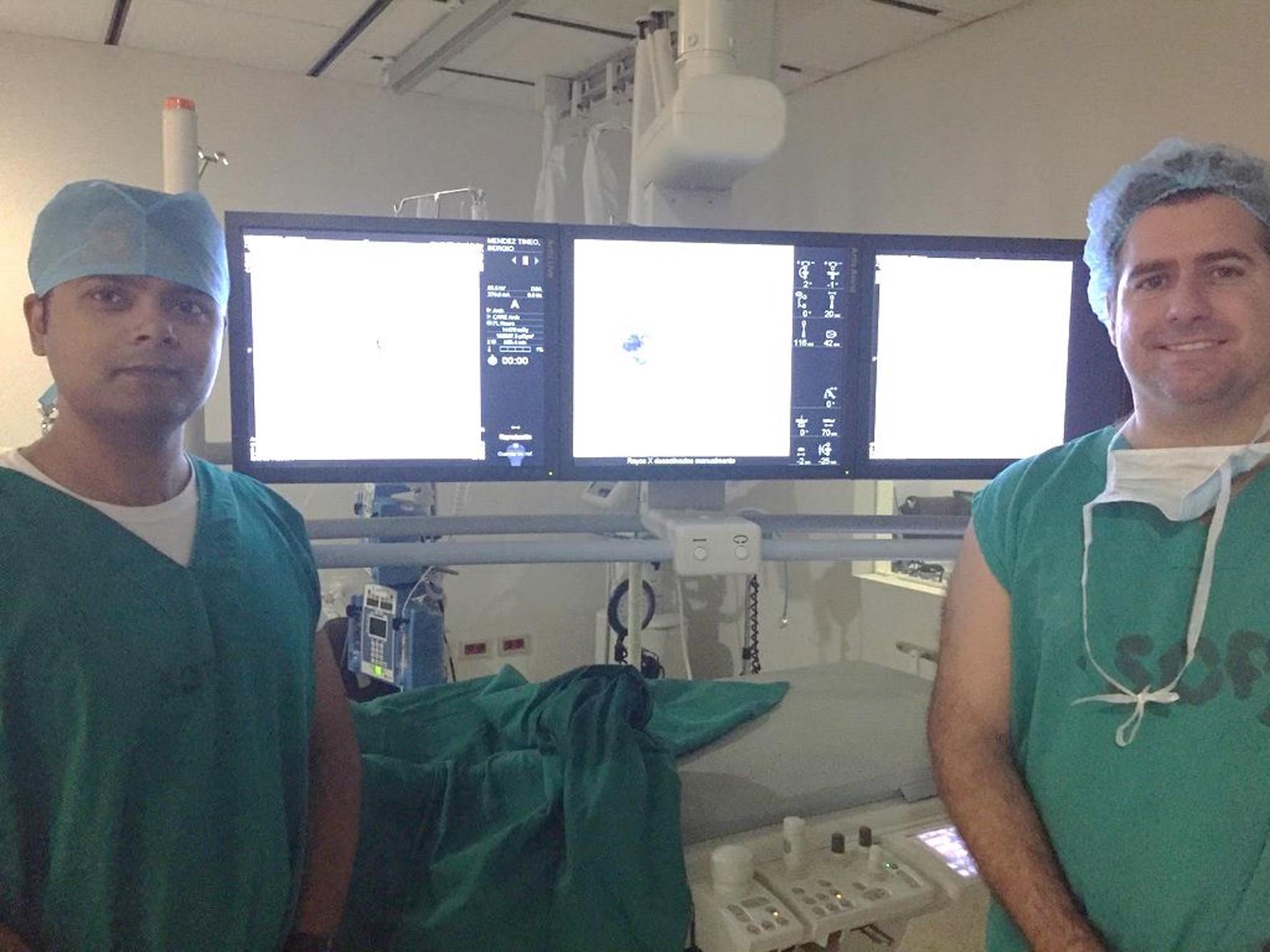
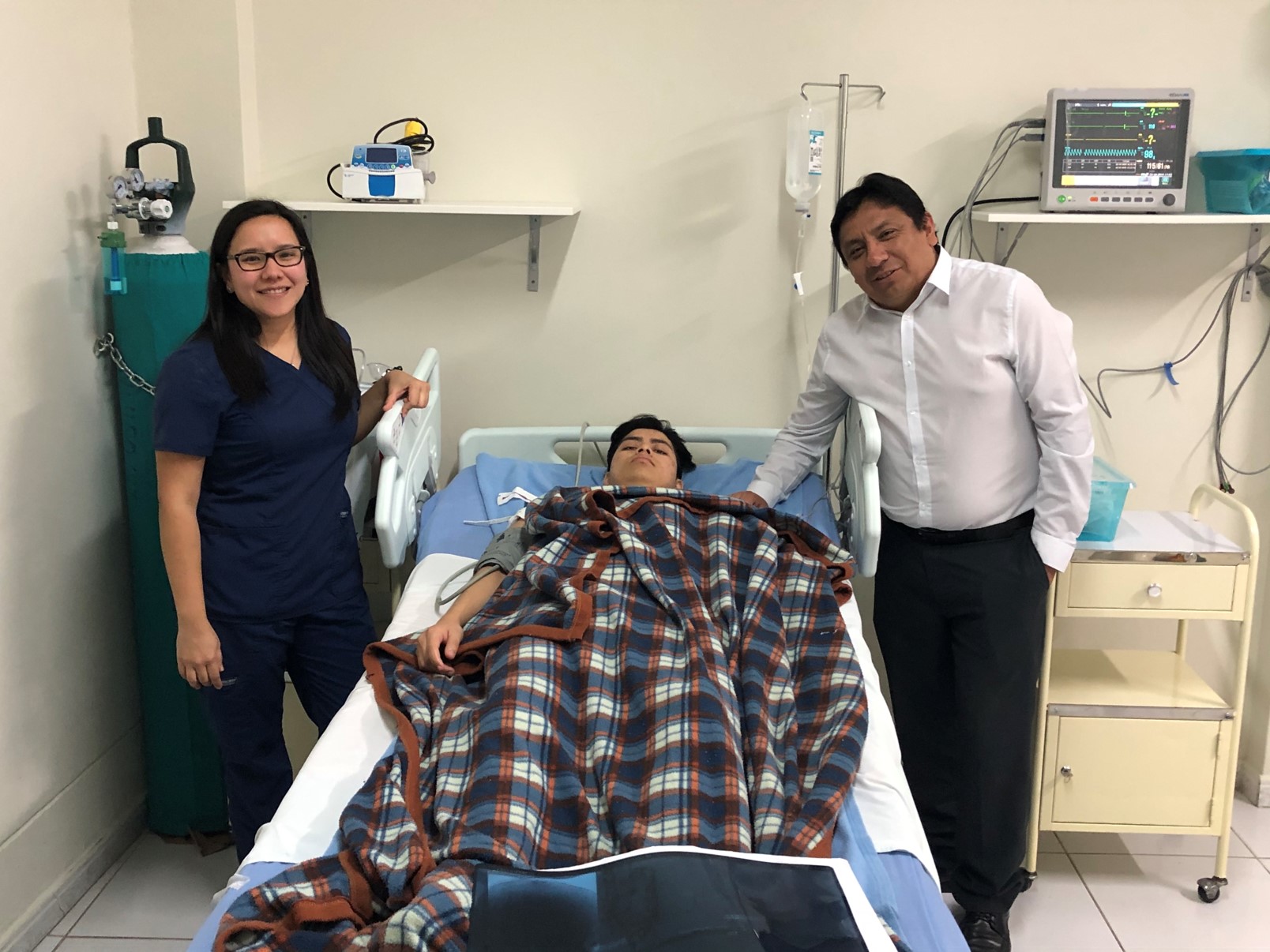
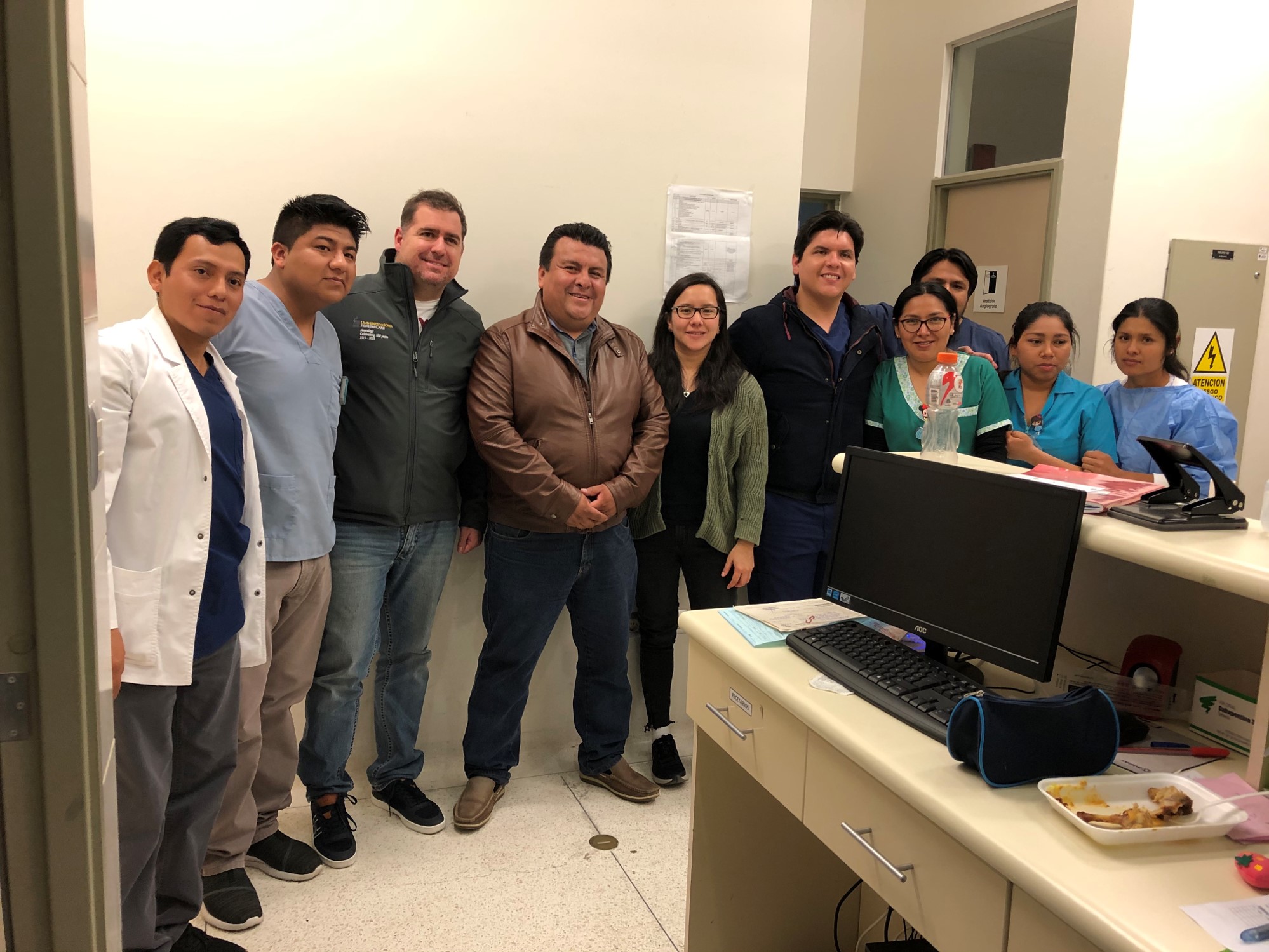
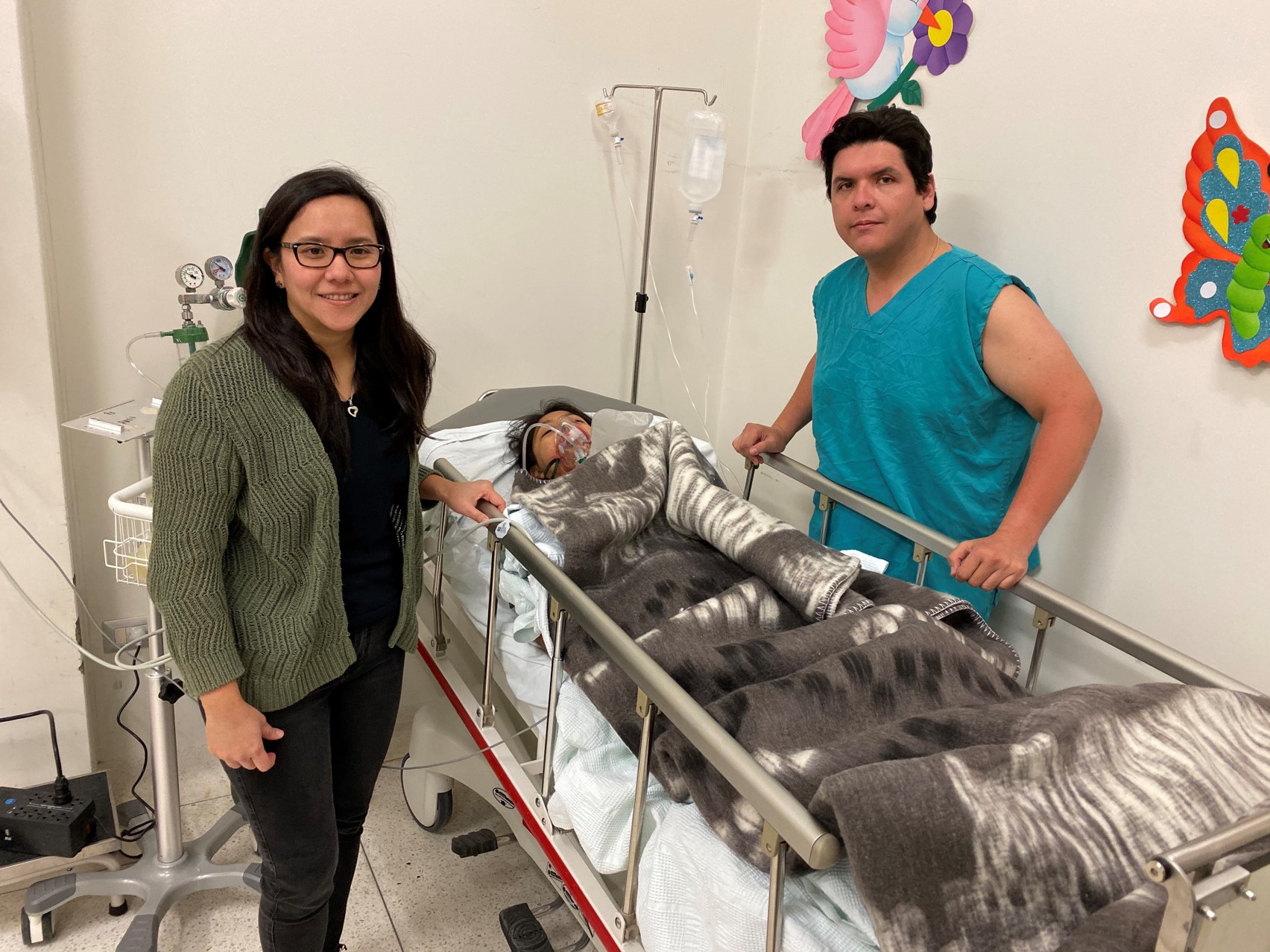
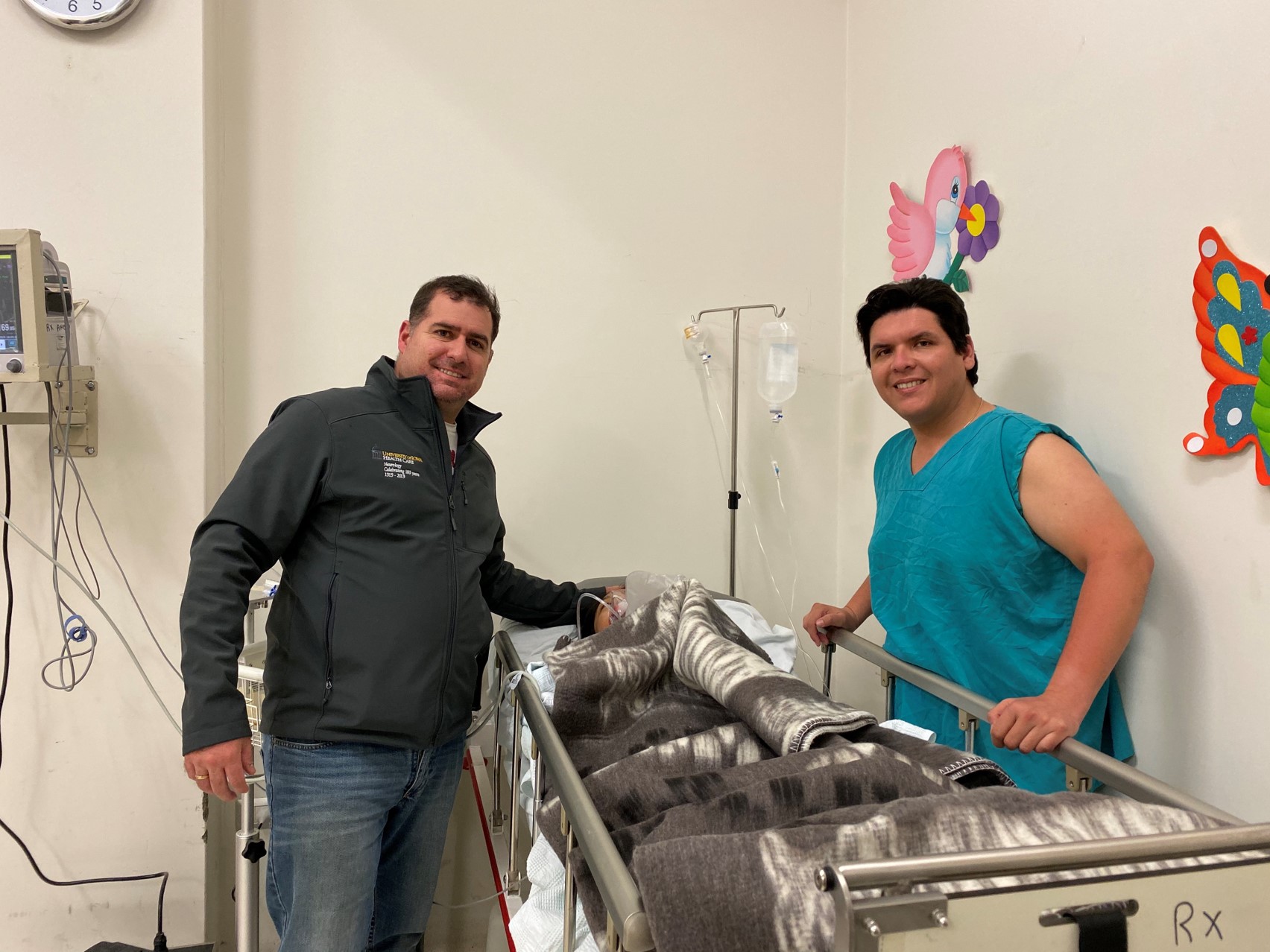
In many countries, patients wait months or years for treatment of aneurysms (bulges in a blood vessel), arteriovenous malformations (abnormal tangles of vessels), and dural fistulas (abnormal connections between arteries and veins) because the resources to treat them are not available locally. Our team travels to public hospitals in developing countries on short visits, typically three to four days, working alongside local physicians to select cases, perform procedures, and teach.
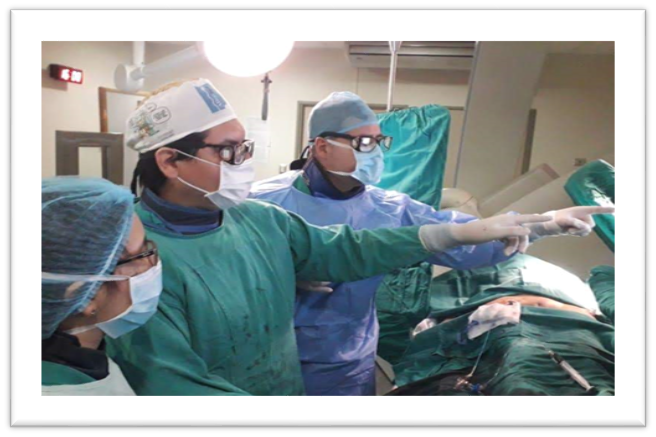
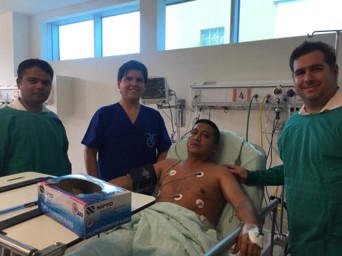
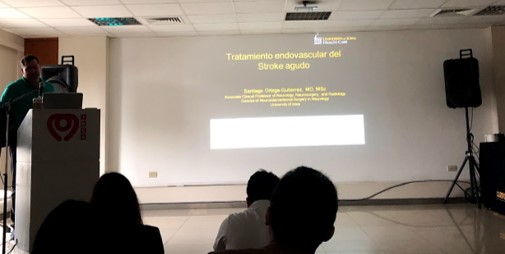
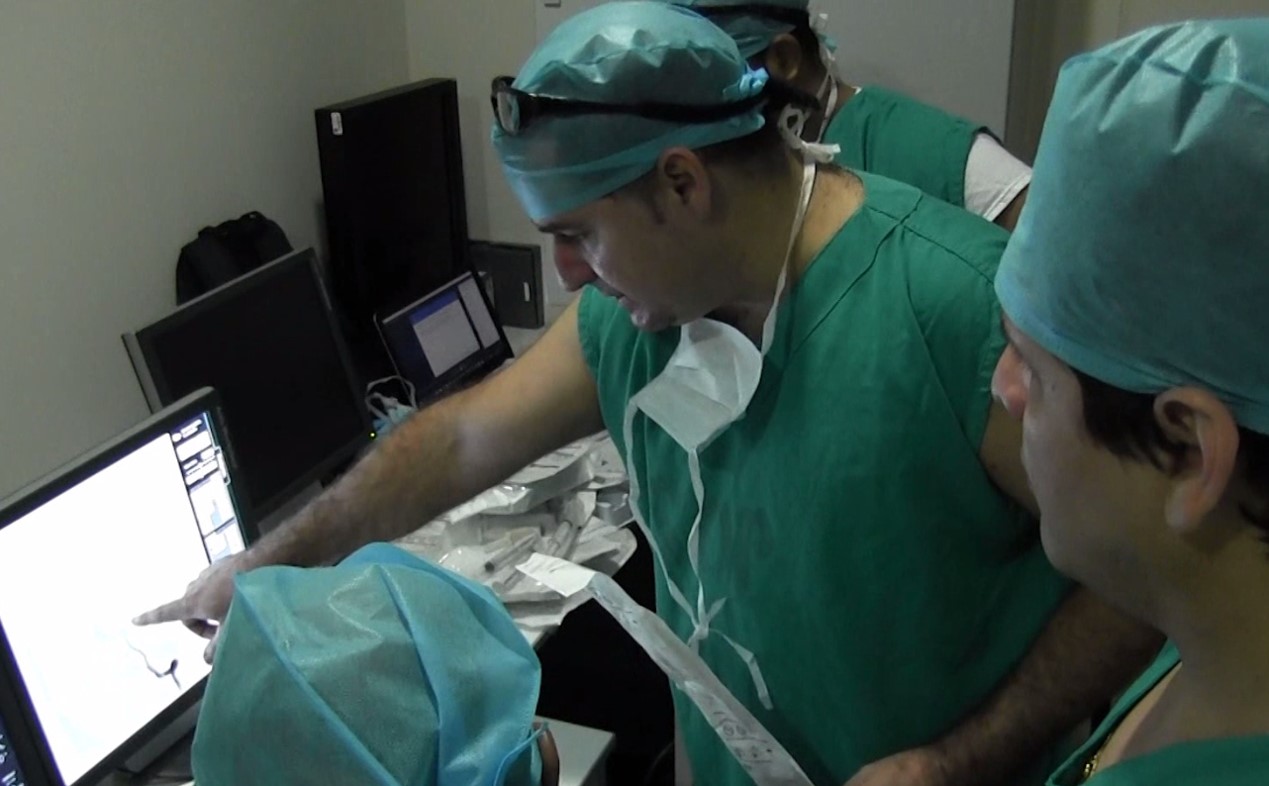
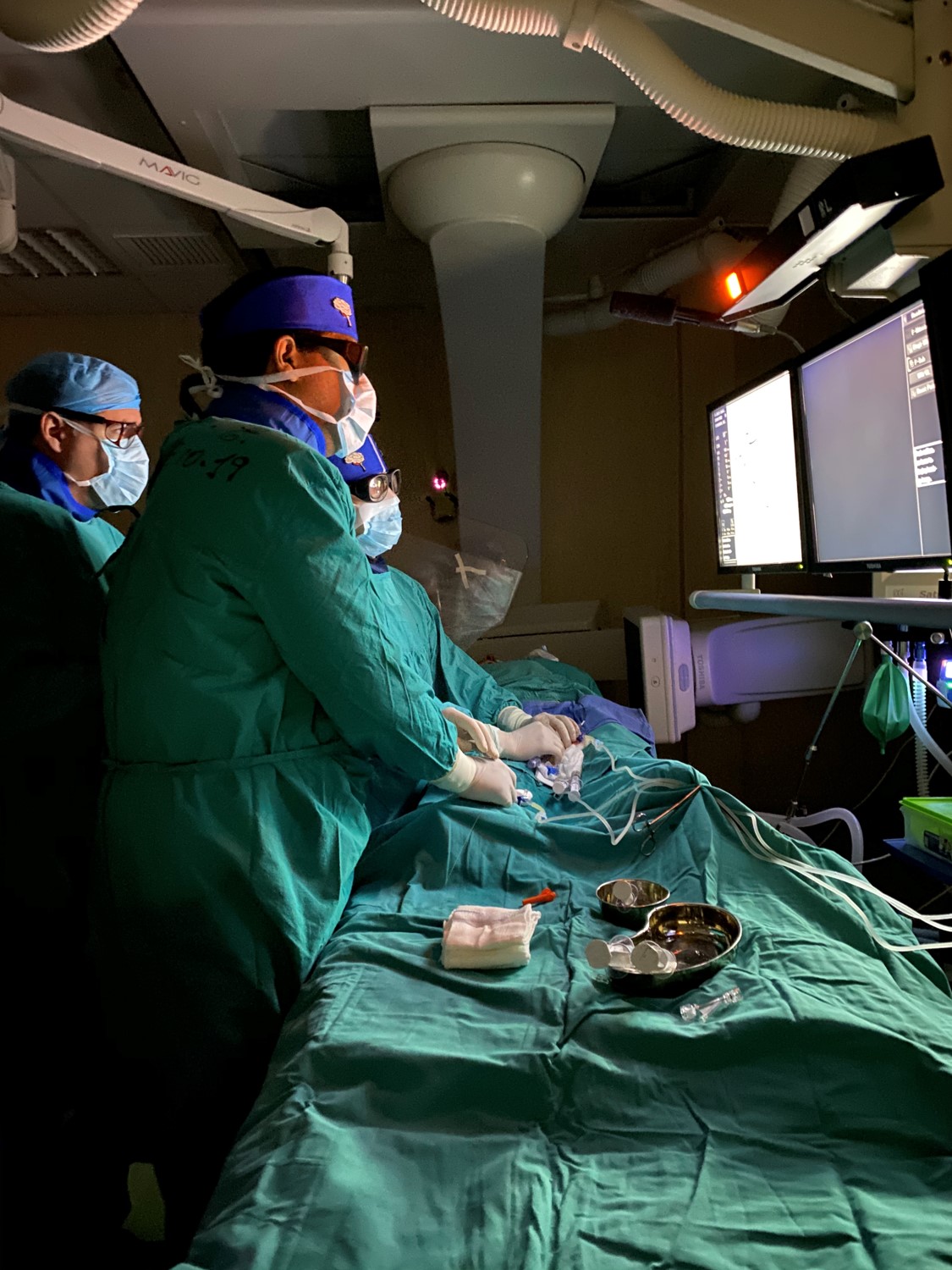
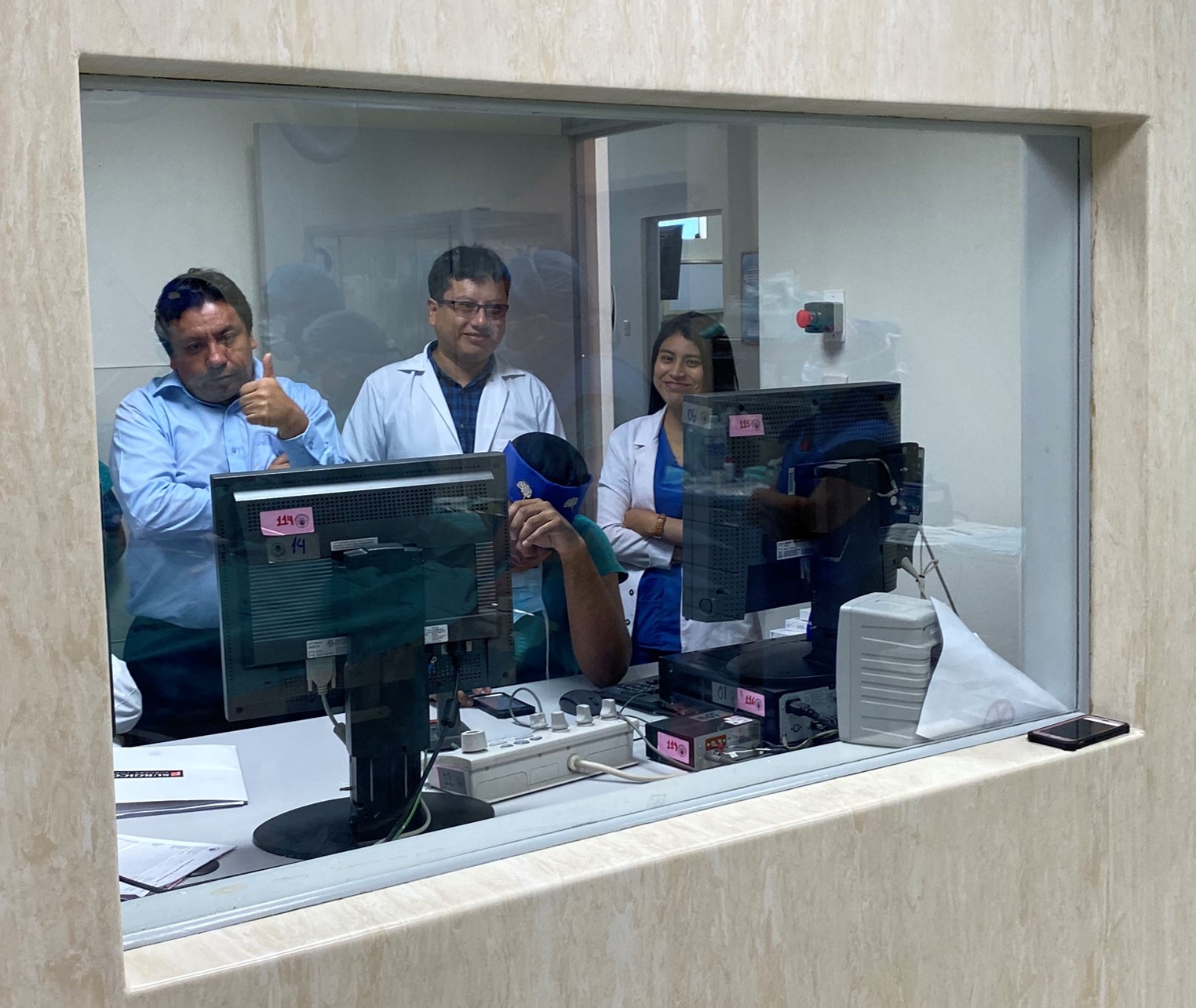
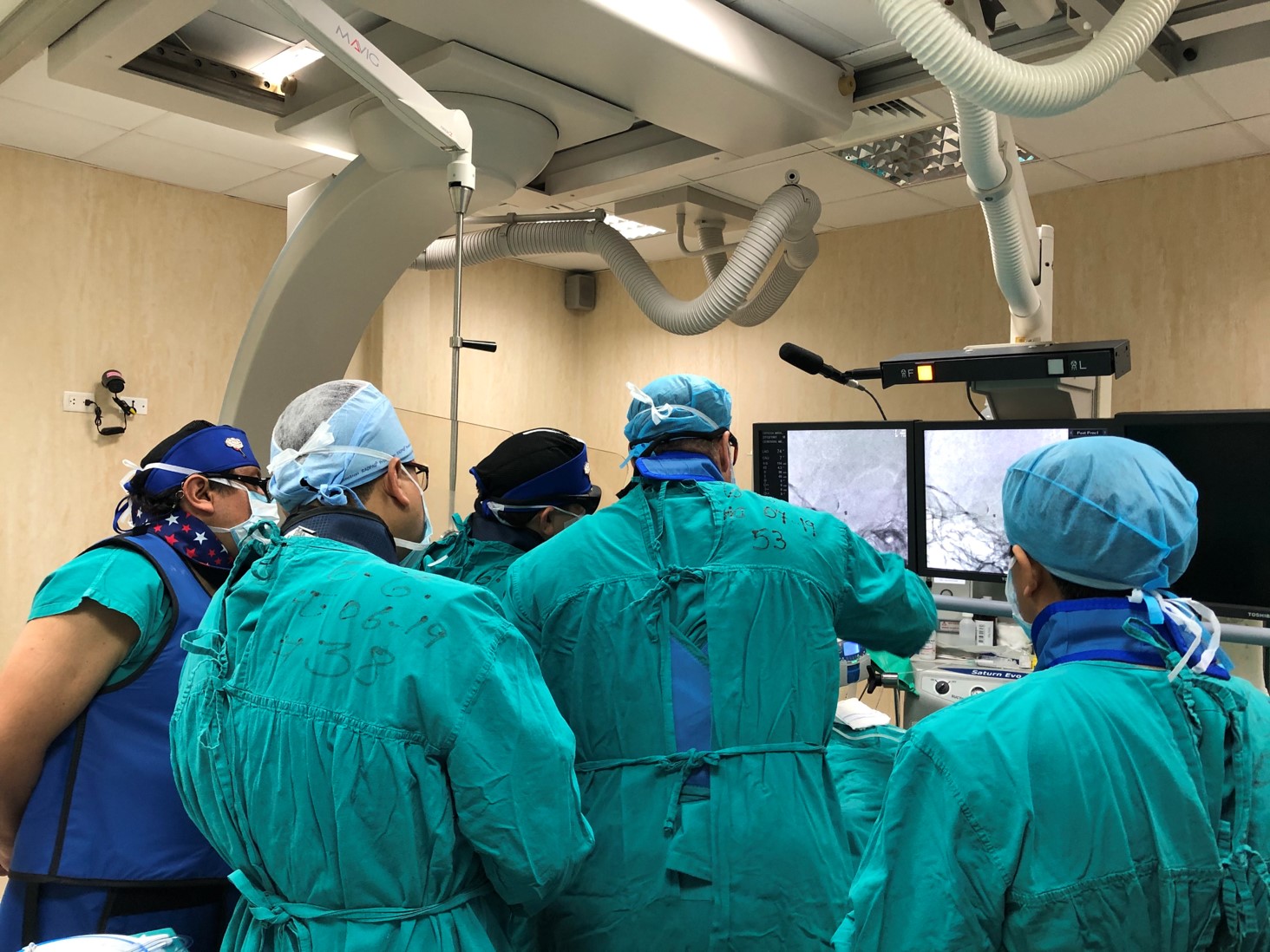
UIHC physicians perform procedures together with local doctors, explaining the disease and the technique to everyone present — residents, neurosurgeons, and neurologists. Visits also include lectures and hands-on workshops at the host hospital.
Between 2015 and 2019 the program completed five trips to three hospitals and treated 50 patients.

International rotations
Residents, fellows, and early-career attendings from outside the United States can spend one month with the lab at UIHC. Visitors observe stroke care led by neurointerventional specialists and take part in educational activities and grand rounds.
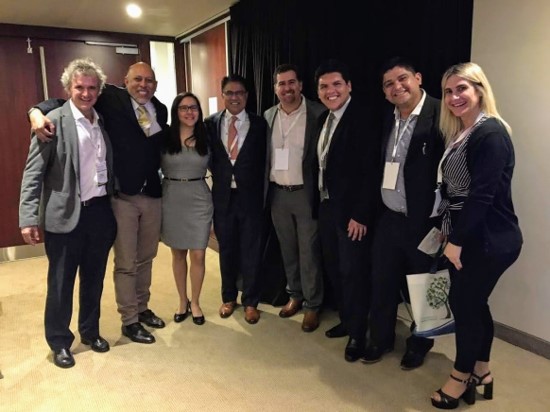
More than 10 international visitors have completed a rotation since 2018.
To ask about a rotation, email the lab with your CV and a short note on what you hope to gain from the visit.
Beneficiary: Arteriovenous malformation